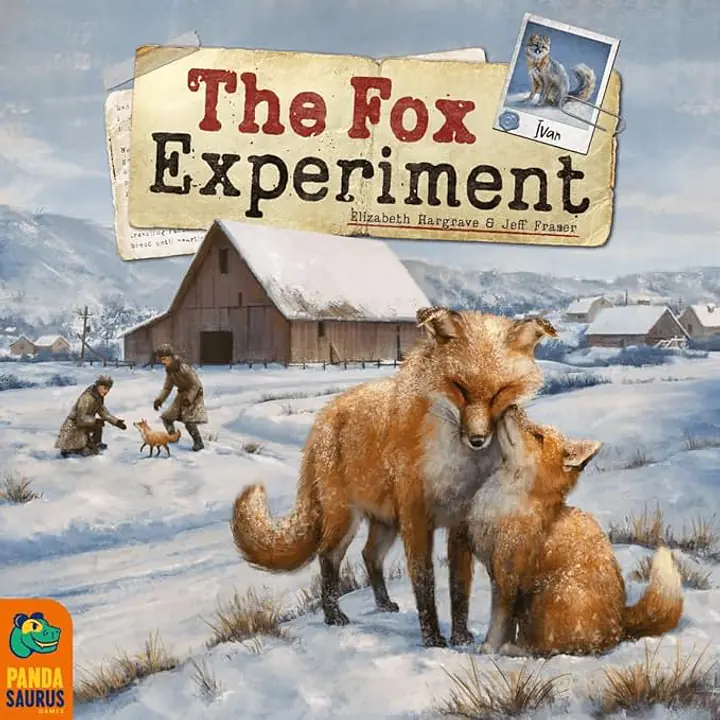
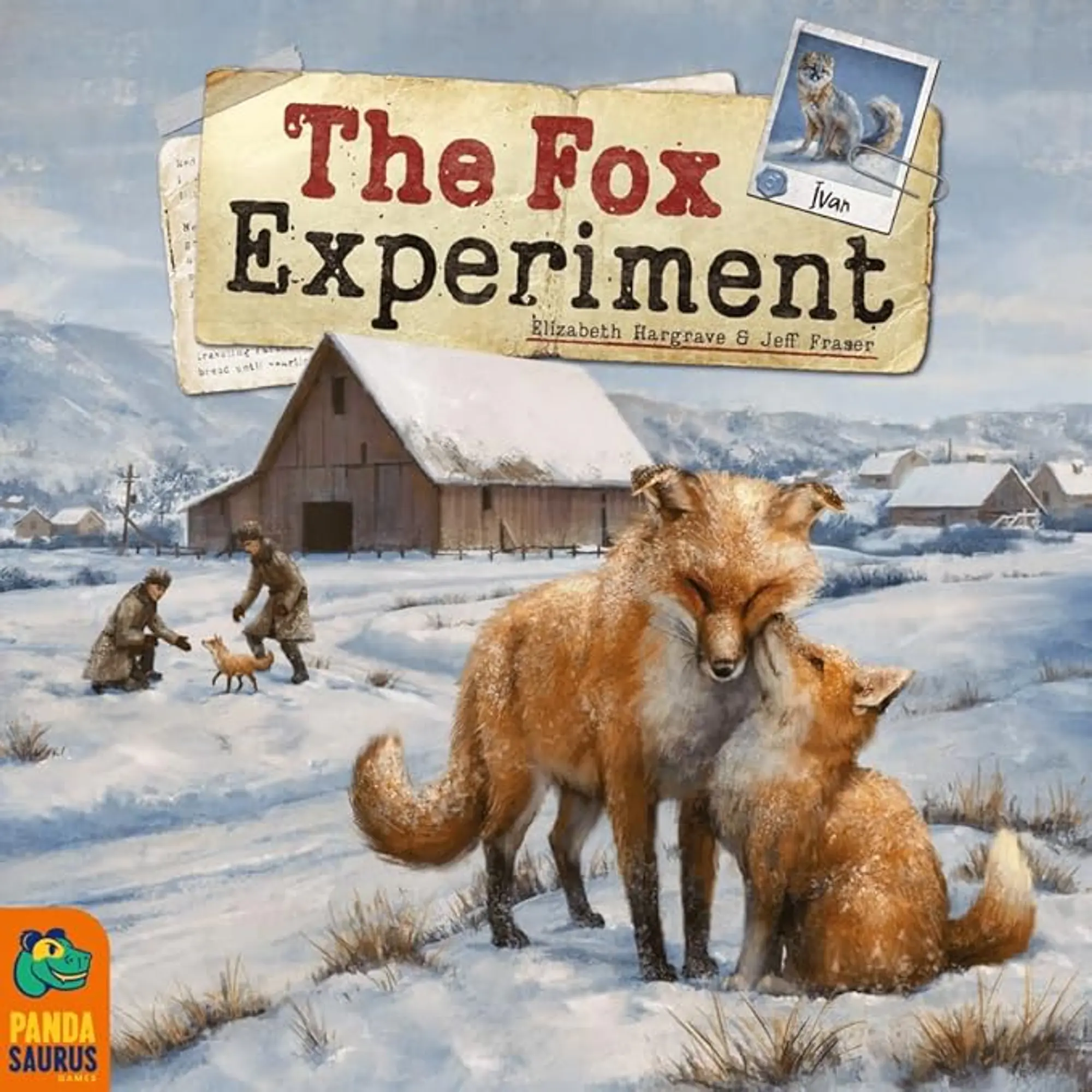
The Fox Experiment is a strategic board game based on a real scientific experiment from the 1950s, in which Soviet scientists attempted to domesticate foxes by selectively breeding the friendliest individuals. The game was designed by Elizabeth Hargrave (creator of Wingspan) and Jeff Fraser, and published by Pandasaurus Games.
In the game, players become researchers who, across five generations, breed foxes with the goal of developing friendly traits such as wagging tails, floppy ears, spotted fur, and cheerful barking. Each generation influences the next, creating a sense of evolution and progress. The theme is highly original and rooted in an actual scientific experiment, giving the game added depth.
The gameplay combines roll-and-write mechanisms, open drafting, and trait management. Players select a male and female fox and choose a position on the supply track, which determines turn order and bonuses. By rolling dice, players determine the traits of the offspring, marking them on dry-erase cards. Players complete study cards, collect trait tokens, and upgrade their player boards. The pups become the next generation of parents, unchosen foxes are removed, and the game prepares for the next round. At the end, points are earned for fox friendliness, completed studies, acquired sponsors, and upgrades.
🦊 If you're curious how science and gaming come together to breed the friendliest foxes, The Fox Experiment is an excellent choice.